Tänze

Salsa

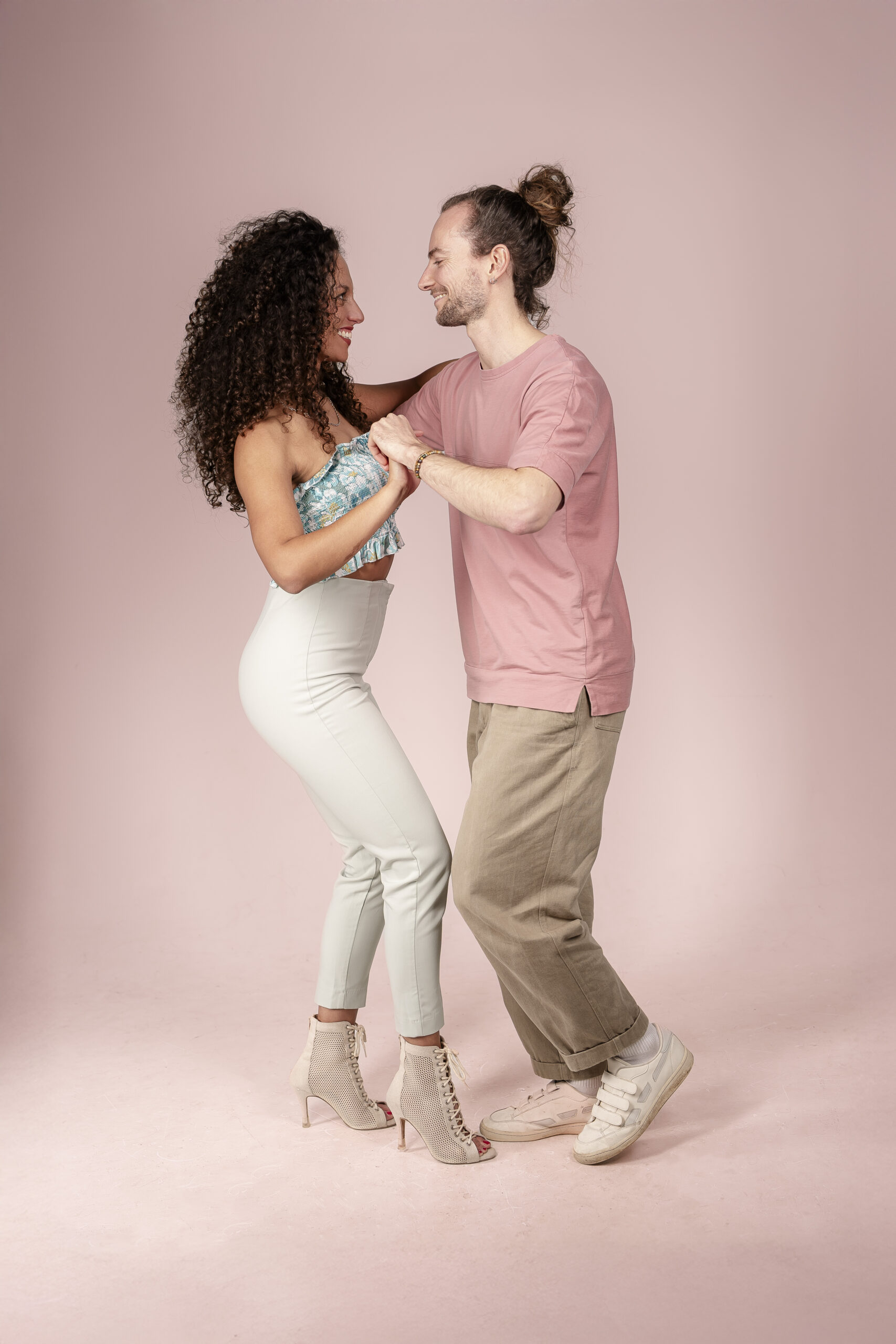
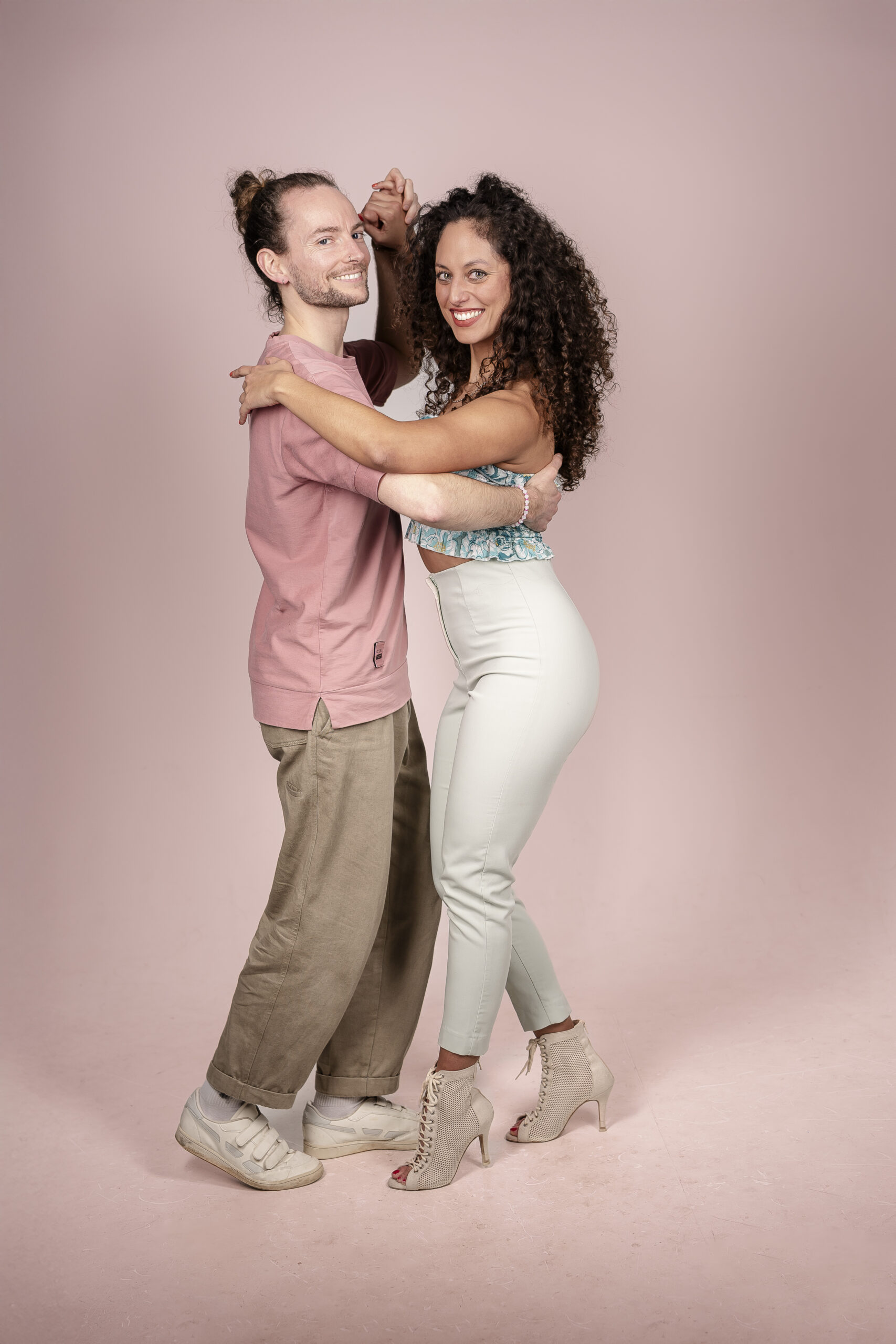
Salsa: It’s the most widespread dance in the world for a reason!

Pure zest for life and the #1 universal language 🙂 ! Building from beginner (A1 – A3) to advanced courses, the fundamentals are taught first, followed by increasingly new and challenging figures and step combinations.

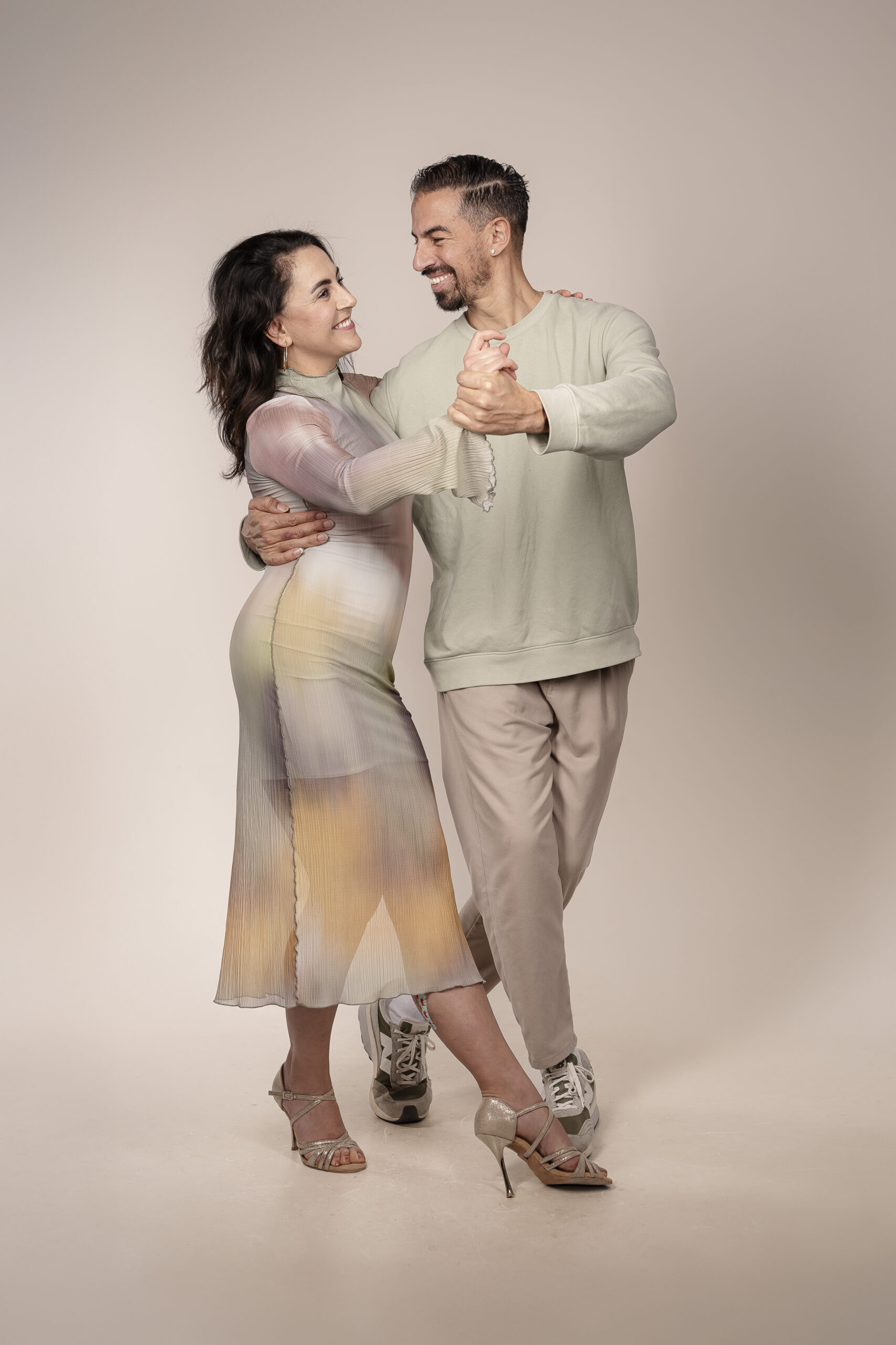
Salsa is a passionate and energetic partner dance that originated in the Caribbean – particularly in Cuba and Puerto Rico – and was later further developed primarily in the USA (e.g., New York). The dance is closely linked to the music of the same name, which is a blend of Afro-Caribbean rhythms, jazz, and other Latin American music styles.

Timba Cubana:

Is a modern Cuban music and dance style. It builds on Salsa or Cuban Son, but combines these with significantly powerful rhythms and jazz elements, Afro-Cuban percussion, and an urban soundscape.

In this course, you will learn step combinations with Rumba and Afro elements.

Body isolation, grounding, and quick changes of direction are trained!

Ideal for anyone with an intermediate Salsa level. It is danced solo, not in pairs!

🕺💃 Dance style

Salsa is a partner dance, but it is also danced solo (e.g., in shines or Rueda groups). The dance thrives on rhythmic movements, quick steps, hip swings, and elegant turns. Partners often dance close together, with many figures and spontaneous elements.

🎵 Music

Typically, it has a 4/4 beat with a strongly emphasized rhythm, usually between 150–250 BPM. Instruments like congas, bongos, timbales, claves, and brass are particularly prominent.

📍 Origin

Although Salsa has its roots in Cuba (e.g., in Son Cubano), it was primarily developed and popularized by immigrants in New York in the 1970s.

🔄 Basic steps

Salsa is usually danced on 8 counts, with steps taken on 6 counts (2 pauses).

The basic step differs depending on the style:

Salsa Cubana (Casino): Round dance pattern, often circular.

Salsa LA Style (On1): Linear dancing, basic step starts on 1.

Salsa NY Style (On2): Also linear, but rhythmically danced on 2, considered particularly elegant.
For privacy reasons YouTube needs your permission to be loaded. For more details, please see our Datenschutzerklärung.
By |2026-02-20T16:03:37+01:0010.01.2018|Comments Off on Salsa

Bachata

Bachata is a sensual, romantic partner dance from the Dominican Republic. It has its roots in the 1960s and is closely linked to the music genre of the same name, “bachata”. Today there are different bachata styles, including traditional bachata, bachata moderna, and the especially popular and emotional bachata sensual.

Origin: Dominican Republic

Music: Slow to medium tempo, 4/4 time

Basic step: 3 steps to the side + a hip kick or tap (usually on the 4th beat)

Dance hold: Close, with lots of body contact – but depends on the style

Feel: Romantic, playful, sometimes very sensual

Typical movements: Hip-focused steps, body waves, turns, isolations

Styles:

Traditional (Dominican): Faster steps, lots of footwork and rhythm

Moderna: Fusion with elements from other dances, e.g. salsa

Sensual: Flowing movements, body rolls, close contact – often to modern bachata remixes

For privacy reasons YouTube needs your permission to be loaded. For more details, please see our Datenschutzerklärung.
By |2018-01-14T10:51:57+01:0014.01.2018|Comments Off on Bachata

Kizomba

Kizomba is a sensual, emotional partner dance that originally comes from Angola. The name “Kizomba” means something like “party” or “gathering” in the Kimbundu language. The dance developed in the 1980s from the traditional Angolan music and dance style Semba, but was heavily influenced by modern music genres such as Zouk and Kompa.

Also known as the Tango of Africa, this dance captivates with its incredible eroticism and sensuality!

Kizomba is danced in a close partner hold, similar to Argentine tango, but is enriched by Afro-Caribbean lightness and joy. Kizomba enhances awareness of your own body and requires a fine sense of empathy with your partner like hardly any other dance.

✨ Characteristics of Kizomba

Slow, flowing movements: Compared to many other Latin American dances, Kizomba is calmer, with a focus on soft, controlled movements.

Close dance hold: The dance is usually performed in a close embrace, making it very intimate and connecting.

Focus on musicality: Dancers interpret the music with small movements and subtle weight shifts.

Leading principle: Leading is often done through the chest and core – less through the arms or hands.

🎵 Musik

Originally Angolan rhythms, mixed with Caribbean influences.

The beat is usually steady and slow, which supports the sensual nature of the dance.

Modern variants like Urban Kiz have electronic elements and stronger accents.

💃 Varianten

Traditional Kizomba – classic, soft and strongly focused on connection.

Urban Kiz – more modern, with more linear movements, often to electronic music.

Tarraxinha – a very close, isolated form of dancing with emphasized hip movement

For privacy reasons YouTube needs your permission to be loaded. For more details, please see our Datenschutzerklärung.
By |2018-01-14T10:55:37+01:0014.01.2018|Comments Off on Kizomba

Salsa Musicality

Salsa Musicality refers to the conscious understanding and interpretation of music when salsa dancing. It’s about more than just stepping to the beat; it’s about making the various musical elements like rhythm, melody, pauses, and accents visible and tangible in your dance.

🎵Was bedeutet Salsa Musicality genau?

Understanding Beat and Rhythm: Salsa music is usually based on an 8-count beat, where dancers learn to step precisely at the right moment (e.g., on the “1” or “5”).

Accents and Breaks: Salsa music has many accents (emphasized beats) and breaks (short pauses or changes in musical direction). Musicality means accompanying these highlights with appropriate movements or stops in your dance.

Instrumental Focus: The music consists of various instruments (congas, bongos, trumpets, piano, bass). Dancers can specifically align movements or figures with certain instrumental parts, for example, a body roll during a piano riff or quick footwork during a percussive phase.

Melodic Interpretation: Not only the rhythm, but also the melody or vocal lines can be incorporated into the dance, for example, through softer, flowing movements or dramatic gestures.

Improvisation: Salsa Musicality encourages improvisation – dancers react live to the music, interpreting it individually and making the dance lively and exciting.

Why is Salsa Musicality important?

It makes the dance musically authentic and dynamic.

It helps dancers deepen their connection to the music.

It makes every performance unique and emotionally captivating.

It fosters a sense of timing and rhythm.

How can you improve Salsa Musicality?

Consciously listen to and analyze music.

Pay attention to the instruments and rhythms.

Get to know different salsa styles and songs.

Practice with music, choosing figures and movements that fit the music.

Attend our Salsa Musicality classes

By |2025-05-13T15:54:18+02:0013.05.2025|Comments Off on Salsa Musicality

Shuffle

Shuffle Dance is a high-energy dance style that’s especially popular in the electronic dance music (EDM) scene. It’s characterized primarily by fast, gliding footwork that often makes it look like the dancer is “shuffling” or “gliding” across the floor.

Shuffle Dance originated in the 80s in Melbourne’s underground techno-house scene.

Summer is coming—get fit and have fun with this groovy street dance!

🕺💃Hier ein paar typische Merkmale des Shuffle Dance

Basic steps: The fundamental move is the “Running Man,” where one foot is pulled forward while the other glides back, making it look like you’re running without leaving the ground.

Gliding movements: The feet glide smoothly across the floor, often combined with a twist or kick element.

Arm movements: The arms move loosely along, often in rhythm with the legs to complement the movements.

Rhythm: Shuffle fits perfectly with fast beats, typically between 120 and 140 BPM.

Style: There are many variations, but fast, flowing, and repetitive steps are typical.

Shuffle Dance looks cool, is fun, and is also a great workout!

For privacy reasons YouTube needs your permission to be loaded. For more details, please see our Datenschutzerklärung.
By |2021-04-16T15:51:48+02:0016.04.2021|Comments Off on Shuffle

Latin Jazz

Latin Jazz Dance is a passionate, energetic dance style that combines elements of Latin American dances and Jazz Dance. It brings together rhythmic diversity, strong body control, expressiveness, and improvisation – just like the music it is danced to.

Characteristics of Latin Jazz Dance

Rhythm and Musicality: Danced to Latin Jazz music, usually with Afro-Cuban or Brazilian rhythms (e.g., Mambo, Salsa, Rumba, Bossa Nova). The movements are closely linked to the music’s rhythm, often very percussive.

Movement Style

Fast footwork, hip movements, and isolations (e.g., isolated movements of the rib cage, shoulders, hips).

Combination of Jazz technique (e.g., turns, jumps, kicks) and Latin American dance steps (e.g., Salsa basics, Rumba walks, Mambo steps).

Expressive, sensual, and powerful all at once.

For privacy reasons YouTube needs your permission to be loaded. For more details, please see our Datenschutzerklärung.
By |2018-01-14T10:59:46+01:0014.01.2018|Comments Off on Latin Jazz

Reggaeton

Reggaeton dance is an energetic, sensual style that developed alongside the music genre of the same name. Originating in Puerto Rico, Reggaeton combines various influences like Hip-Hop, Dancehall, Latin, and Afro-Caribbean rhythms. The dance is closely tied to the pulsating beat and the distinctive Dembow rhythm, which forms the core of the music.

🕺Tanzstil

Body-focused & rhythmic: The dance heavily emphasizes movements of the hips, pelvis, and upper body. Movements are often fluid, sexy, and confident.

Isolation Movements: Dancers isolate specific body parts (e.g., chest, hips) to emphasize the beat.

Freestyle & Expression: There are no fixed step sequences – many movements arise spontaneously. Personal style and musical interpretation are paramount.

Attitude: Reggaeton is danced with a lot of charisma – confidence, coolness, and a bit of a “Bad-Boy/Boss-Lady” vibe are all part of it.

Partner or Solo Dance: Reggaeton can be danced alone, with a partner, or in groups. Partner dance versions often include flirty, playful elements.

💃 Typische Bewegungen

Perreo: The most famous Reggaeton move – a deep, sexy hip movement in a squatting position, often danced with your back to your partner.

Booty Shakes / Hip Rolls: Fast or circular hip movements to emphasize the beat.

Shoulder Rolls / Chest Pops: Accented upper body movements for style and musicality.

Low Drops / Ground Moves: Dancers often go deep into a squat, which gives the dance more power and dynamism.

———————

Afro Cuban Bodymovement

“Afro-Cuban Bodymovement” describes a powerful and rhythmic way of moving the body, deeply rooted in Afro-Cuban dances and spiritual traditions – particularly in the dances of the Orishas (deities from the Yoruba religion) and in styles like Rumba, Guaguancó, Columbia, or Yoruba dances. These movements are a central component of many Cuban dance forms such as Salsa, Timba, and Afro-Cuban Jazz.

📍 Herkunft

Although Salsa has its roots in Cuba (e.g., in Son Cubano), it was primarily developed and popularized by immigrants in New York in the 1970s.

✨ Core Characteristics of Afro-Cuban Bodymovement

Isolations and Body Control:

Intensive use of the chest, shoulders, hips, and spine.

Movements often flow in waves through the body – e.g., “undulations” or “rolls.”

Polycentric & Polyrhythmic:

Different body parts often move independently but in harmony with various rhythms.

The body dances multiple rhythms simultaneously – one arm follows the conga rhythm, while the pelvis follows the bass.

Grounded Movement:

The body remains deeply anchored to the ground, with bent knees and a strong connection to the earth.

Movements are heavy, earthy, almost ritualistic – not “light” or “airy.”

Spiritual and Cultural Expression:

Many movements are inspired by the dances of the Orishas (e.g., Shango, Yemaya, Eleggua), which embody elements like water, fire, or wind.

Expressive gestures, facial expressions, and energy are central.

Coordination & Sense of Rhythm:

Afro-Cuban Bodymovement requires a fine sense of complex rhythms and quick responsiveness in the body.

🎶 Beispielhafte Bewegungen

Shoulder rolls (Desplazamientos de hombros)

Chest waves (Ondas de pecho)

Hip circles (Círculos de cadera)

Torso isolations

Fluid arm movements (often with symbolic meaning)

Latin Jazz Dance is a passionate, energetic dance style that combines elements from Latin American dances and Jazz Dance. It unites rhythmic diversity, strong body control, expressiveness, and improvisation – just like the music it is danced to.

For privacy reasons YouTube needs your permission to be loaded. For more details, please see our Datenschutzerklärung.
By |2018-01-14T10:58:48+01:0014.01.2018|Comments Off on Reggaeton

Afro Cuban Bodymovement

“Afro-Cuban Bodymovement” describes a powerful and rhythmic way of moving the body that is deeply rooted in Afro-Cuban dances and spiritual traditions—especially in the dances of the Orishas (deities from the Yoruba religion) and in styles such as Rumba, Guaguancó, Columbia, or Yoruba dances. These movements are a central part of many Cuban dance forms like Salsa, Timba, and Afro-Cuban Jazz.


The body is broken down into its individual parts and you suddenly become aware of everything you can move in isolation and highlight. You learn better body coordination and isolation.


Back to the roots of dance!

Feel the power of the mother continent in every movement! Learn Afro-Cuban dance technique and rediscover your body. A new world of dance will open up to you, which will also help you achieve more variation when dancing salsa!

For privacy reasons YouTube needs your permission to be loaded. For more details, please see our Datenschutzerklärung.
By |2018-01-14T11:00:23+01:0014.01.2018|Comments Off on Afro Cuban Bodymovement

Lady Styling

Kids will playfully discover Latin American music and dances like Salsa and Merengue. We’ll learn simple steps and short choreographies, combined with rhythm games and plenty of movement. Child-friendly ballet basics such as posture, arm and foot positions, and balance support healthy body posture and make movements more elegant.

This course strengthens coordination, sense of rhythm, creativity, and self-confidence, and most importantly, it’s fun!

By |2018-01-14T10:56:52+01:0014.01.2018|Comments Off on Lady Styling

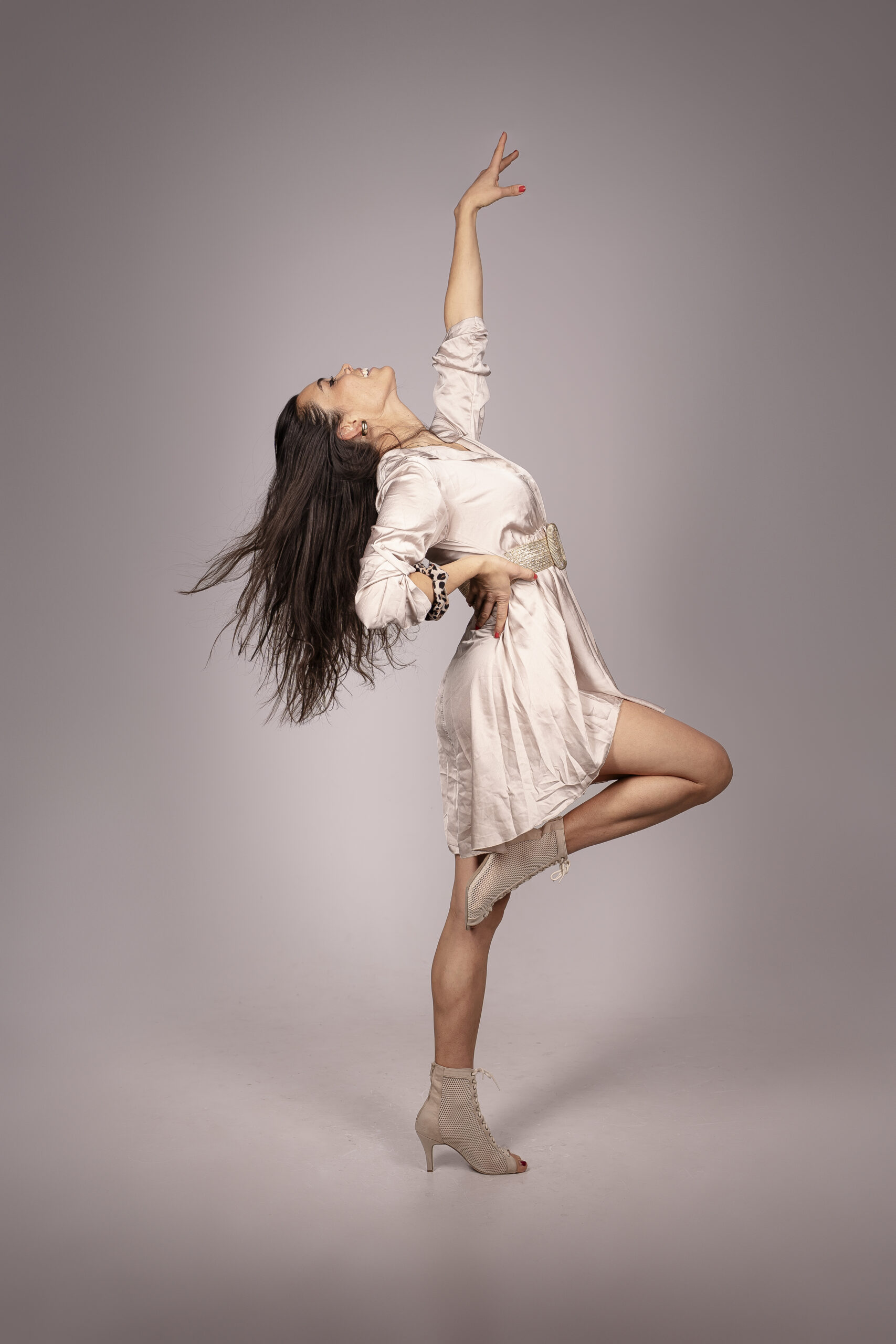
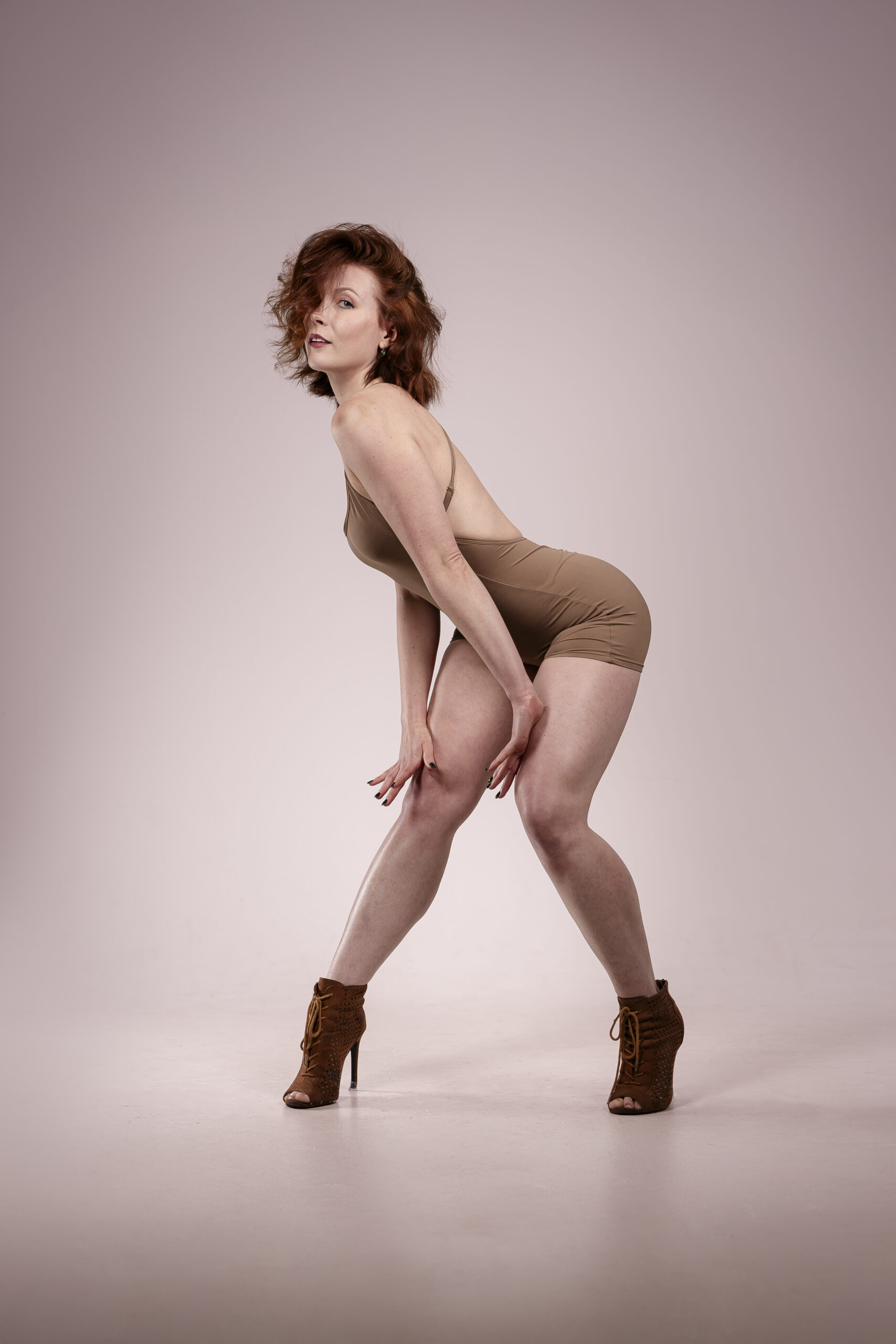
Heels

Heels Dance is a modern, expressive dance style performed in high heels. It combines elements of jazz, hip-hop, commercial dance, and contemporary dance with sensual, powerful movements. The focus is on body control, self-confidence, charisma, and feminine energy.

🕺💃 Typische Merkmale

Danced in high heels (often stilettos with a secure fit).
Strong emphasis on hip movements, legwork, and posing.
Often very musical and expressive – with sexy, yet elegant vibes.
Combination of choreography, technique, and attitude.
Frequently inspired by music videos, fashion performances, or drag shows.

✨ Goal

Heels Dance strengthens self-confidence, improves body awareness, and allows dancers to express themselves in a feminine, confident, and sensual way – regardless of gender or prior dance experience.

For privacy reasons YouTube needs your permission to be loaded. For more details, please see our Datenschutzerklärung.
By |2026-02-20T20:11:17+01:0013.05.2025|Comments Off on Heels
Go to Top